Coal Terminals in the Port of Virginia
The Dominion Terminal and Kinder Morgan Bulk Terminals are located in Southeast Newport News. Pier 6 is located between the Norfolk neighborhoods of Lambert's Point and Ghent, with Lambert's Point typically being on the downwind side. Together, these terminals export more coal through the Port of Virginia than is exported anywhere else in the U.S. [1] This coal is largely metallurgical coal, also known as cooking coal, from Central Appalachia. It is transported to Southeast Newport News by CSX and to Lambert's Point by Norfolk Southern.
-
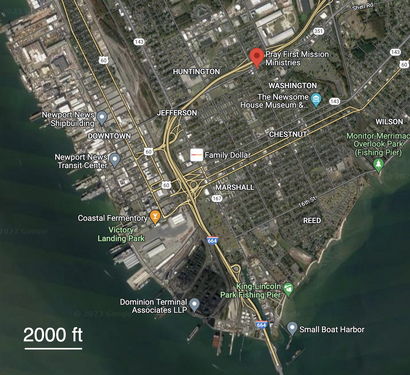 Satellite map (Google) of the Dominion Terminal and Kinder Morgan Bulk Terminals in Southeast Newport News
 -
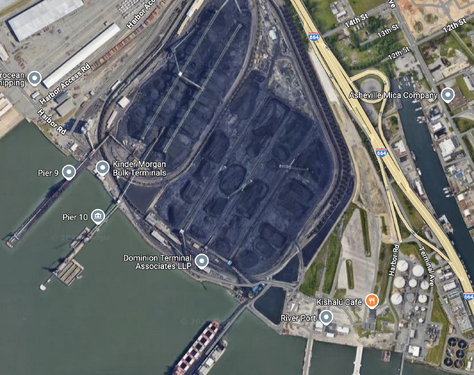 Satellite map (Google) of the Dominion Terminal and Kinder Morgan Bulk Terminals in Southeast Newport News
 -
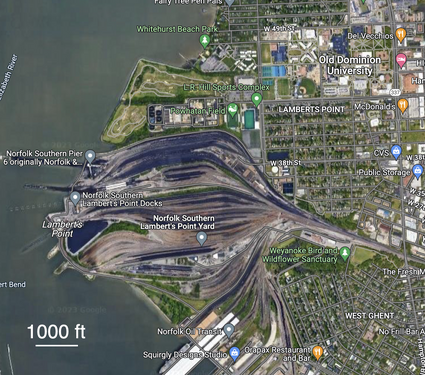 Satellite map (Google) of the Norfolk Southern Terminal in Lambert's Point


Dominion Terminal Associates and Kinder Morgan Bulk Terminals
Kinder Morgan operates Pier IX and X, which sit adjacent to the Dominion Terminal. Dominion Terminal is owned by Alpha Metallurgical Resources and Core Natural Resources and operated by Dominion Terminal Associates. Coal is offloaded and stored in large piles before being loaded onto ships for export. The Kinder Morgan Bulk Terminals have the capacity to store 1.4 million tons coal and export up to 16 million tons annually[2] and use a system of 44 sprinklers to spray water that suppresses dust emissions from the piles and transloading equipment.
According to a 2014 report by the Sightline Institute, Kinder Morgan's activities across North America include a record of pollution, bribery, labor violations and unsafe working conditions, fraud and theft, and pipeline failures resulting in deaths, felonies, and environmental damages.[3]
Norfolk Southern
Owned and operated by Norfolk Southern, Pier 6 in Lambert's Point was built in 1962 (predating the U.S. Clean Air Act by eight years), although coal has been exported here since 1885. Norfolk Southern's Pier 6 is the largest coal export facility in the U.S. Coal carrying rail cars are loaded directly onto ships, rather than being stored in large staging piles as in Newport News.
Lambert's Point is the home of Norfolk Southern's Pier 6, which has been a defining industrial feature of the neighborhood for over a century, shaping both the physical landscape and the social fabric of the surrounding community. The terminal directly borders the neighborhood, and is located downwind, leading to long standing concerns about coal dust pollution in the area.
The terminal’s history dates back to the late 19th century, when the Norfolk and Western Railway (N&W) (a predecessor of today’s Norfolk Southern Railway) selected the site for its deep-water coal pier. The first coal shipments from Lambert's Point began in 1884, marking the beginning of Norfolk’s rise as a leading coal export hub. Over time, the facility grew into a vast industrial complex, with Pier 6 becoming the largest and most advanced coal transloading facility in the world at the time after it was completed in 1962. Pier 6 is part of the massive Port of Virginia, which includes two other major coal export facilities (across the bay from Lambert’s Point): Pier IX, operated by Kinder Morgan, and Dominion Terminal. These three terminals combined represent 23% of all coal export capacity in the United States.
Coal from the Appalachian mines of Virginia, West Virginia, and Kentucky arrives at the terminal by rail, where massive rotary dumpers unload the railcars directly onto conveyor belts. From there, coal is sorted, blended, and loaded onto ships bound for power plants and steel mills worldwide. This is different from the CSX coal piers across the river from Lambert's Point (located in Southeast Newport News) where coal is offloaded and stored in large piles before being loaded onto ships for export.
The coal terminal has long been the source of environmental and health concerns. The wind blows southwest off of the Elizabeth River, blowing coal dust off of the terminal and into Lambert's Point. Coal dust emissions from railcars, conveyor systems, and ship-loading operations have been documented throughout the 20th and 21st centuries, prompting community activism and regulatory scrutiny.
Coal Ships
Ships are typically in port in Newport News and Norfolk for 2–5 days (possibly longer) for loading. There are records that 2–4 days are required to load large ships (for iron ore), with a minimum of 24 hours,[4] and three days round-the-clock for large container ships.[5]
It is not clear if loading is always continuous, but we speculate that ships avoid sitting at port longer than needed. Ships do arrive and depart from both cities overnight. Ships may not be able to load under inclement weather, which at least for petcoke, a similar material to coal, includes very hot days.[6]
Bulk carriers used for coal transport include: Handymax, Panamax, and Capesize.[7] Because coal is shipped in covered holds, coal dust emissions during ocean transport are assumed to be minimal.[8]
Documents
- CSX, CSX System Map, 2025
- 60997 - Tax Exemption Request - 19840207 26543501, February 7, 1984
- 60997 - Tax Exemption Request - 19910227 31564032, February 27, 1991
- Sightline Institute, The Facts about Kinder Morgan, 2014
- Kinder Morgan, Pier IX and X Terminals
- Public Health Advisory Panel on Coal in Oakland, An Assessment of the Health and Safety Implications of Coal Transport through Oakland, June 14, 2016
- Repair Lab with Support from SouthWings, Southeast Newport News, 2023 Ariel Photographs
-
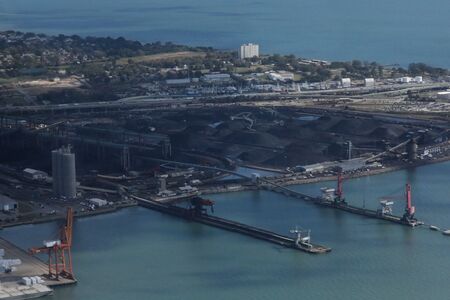 Coal Export Terminals in Southeast Newport News
 -
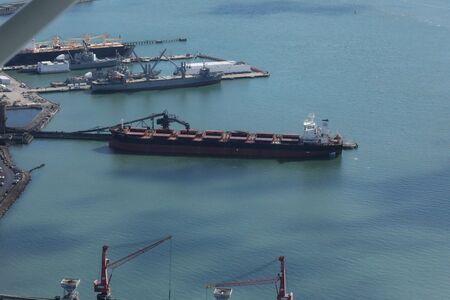 Coal Export Terminals in Southeast Newport News
 -
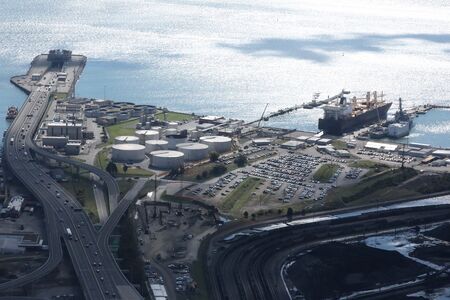 Coal Export Terminals in Southeast Newport News
 -
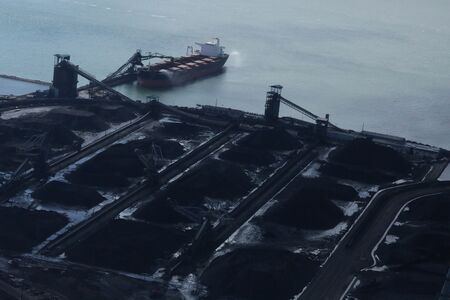 Coal Export Terminals in Southeast Newport News
 -
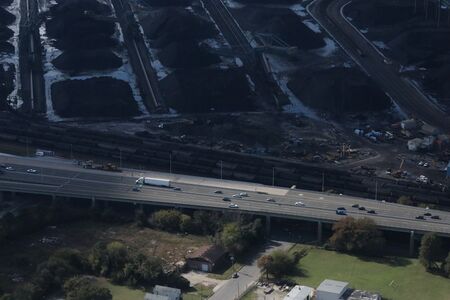 Coal Export Terminals in Southeast Newport News
 -
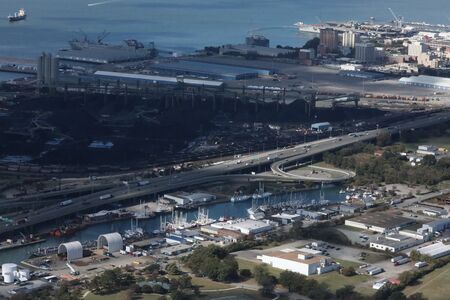 Coal Export Terminals in Southeast Newport News
 -
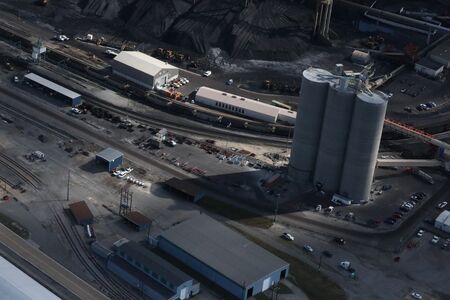 Coal Export Terminals in Southeast Newport News
 -
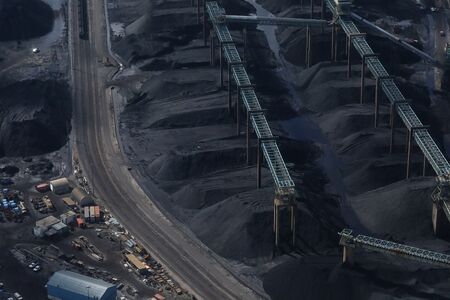 Coal Export Terminals in Southeast Newport News
 -
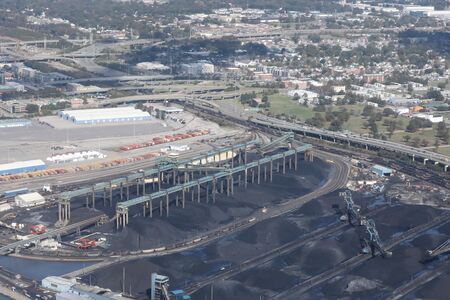 Coal Export Terminals in Southeast Newport News
 -
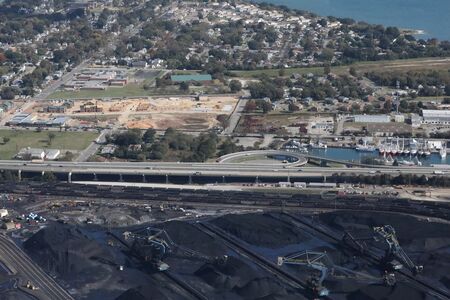 Coal Export Terminals in Southeast Newport News
 -
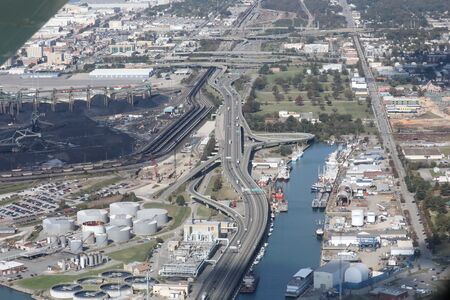 Coal Export Terminals in Southeast Newport News
 -
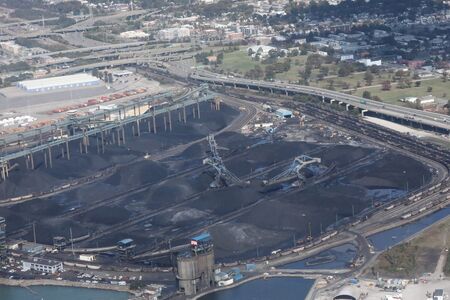 Coal Export Terminals in Southeast Newport News
 -
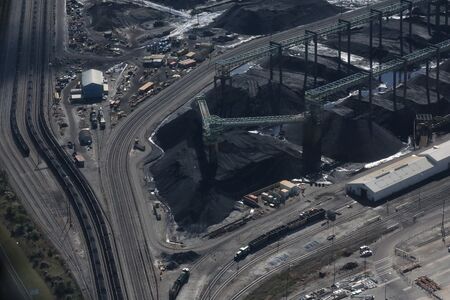 Coal Export Terminals in Southeast Newport News
 -
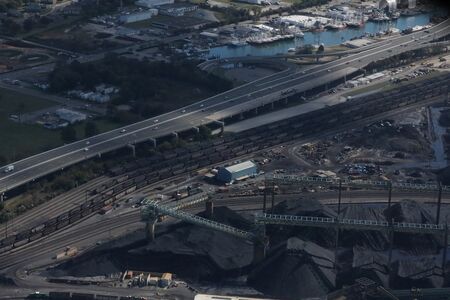 Coal Export Terminals in Southeast Newport News
 -
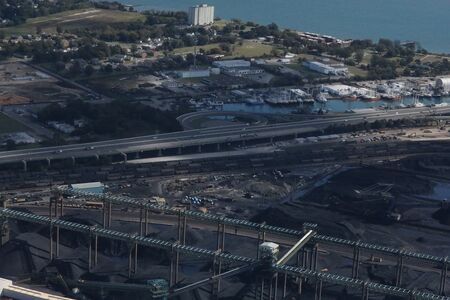 Coal Export Terminals in Southeast Newport News
 -
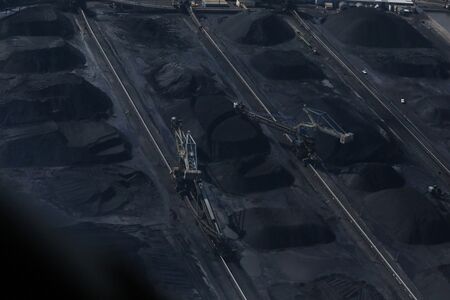 Coal Export Terminals in Southeast Newport News
 -
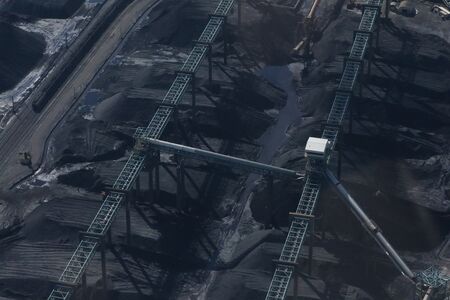 Coal Export Terminals in Southeast Newport News
 -
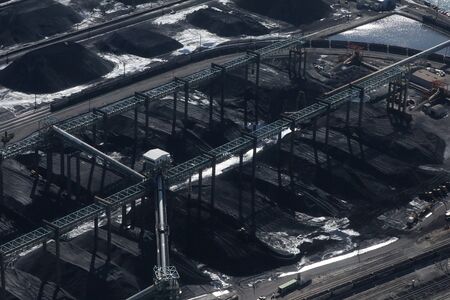 Coal Export Terminals in Southeast Newport News
 -
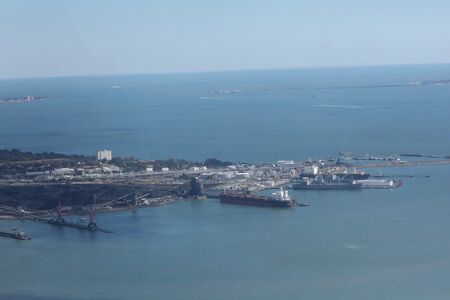 Coal Export Terminals in Southeast Newport News
 -
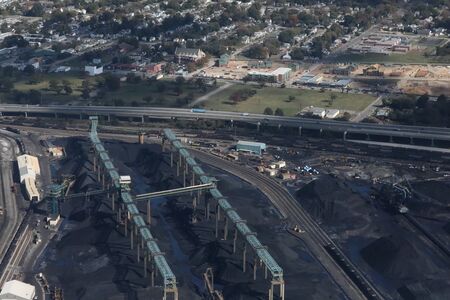 Coal Export Terminals in Southeast Newport News


- Repair Lab with Support from SouthWings, Lambert's Point, 2023 Ariel Photographs
-
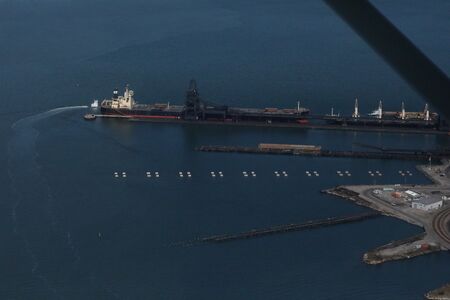 Coal Export Terminal in Lambert's Point
 -
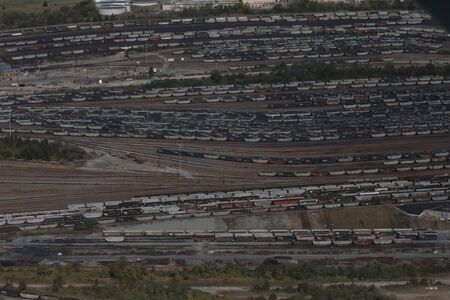 Coal Export Terminal in Lambert's Point
 -
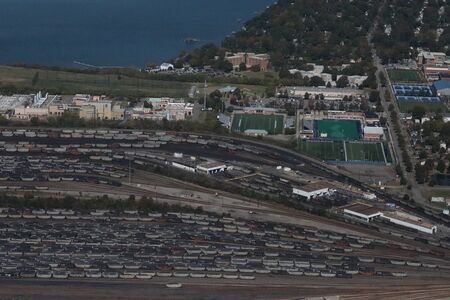 Coal Export Terminal in Lambert's Point
 -
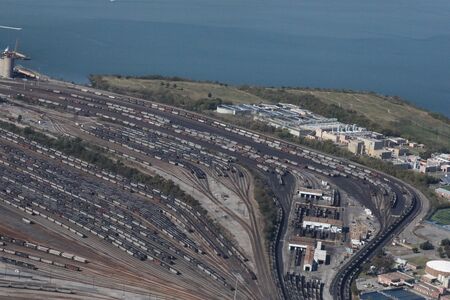 Coal Export Terminal in Lambert's Point
 -
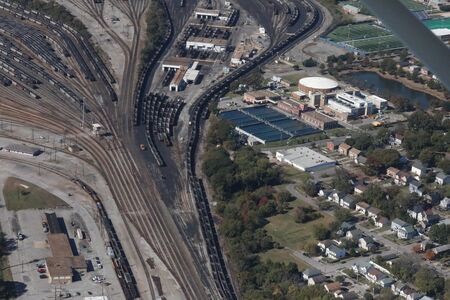 Coal Export Terminal in Lambert's Point
 -
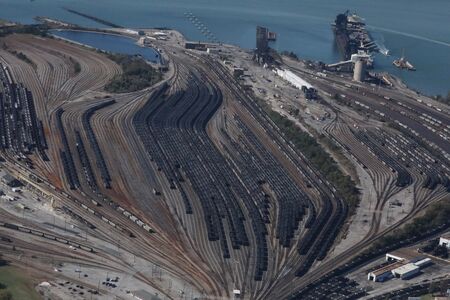 Coal Export Terminal in Lambert's Point
 -
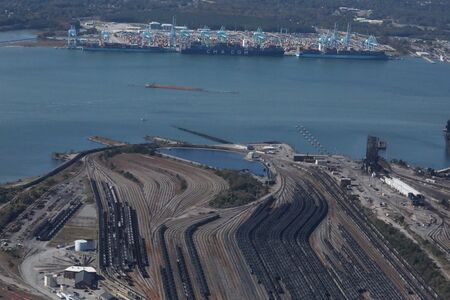 Coal Export Terminal in Lambert's Point
 -
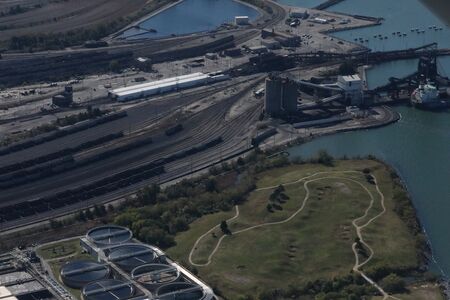 Coal Export Terminal in Lambert's Point
 -
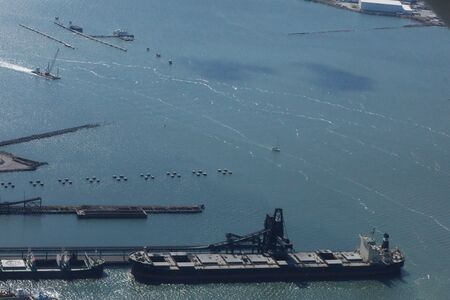 Coal Export Terminal in Lambert's Point
 -
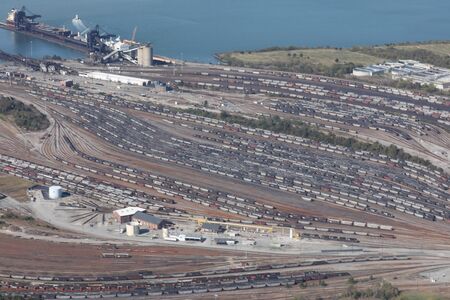 Coal Export Terminal in Lambert's Point
 -
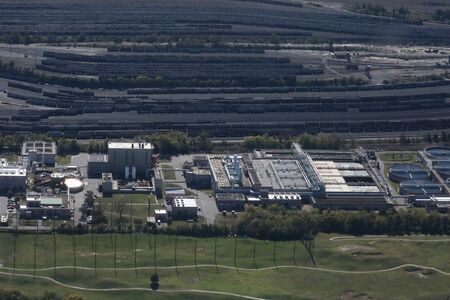 Coal Export Terminal in Lambert's Point
 -
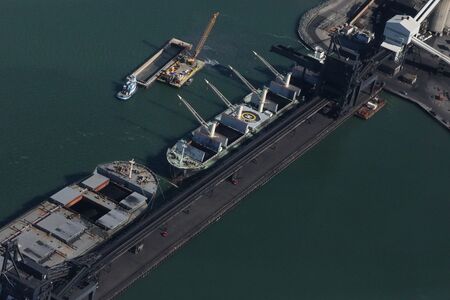 Coal Export Terminal in Lambert's Point
 -
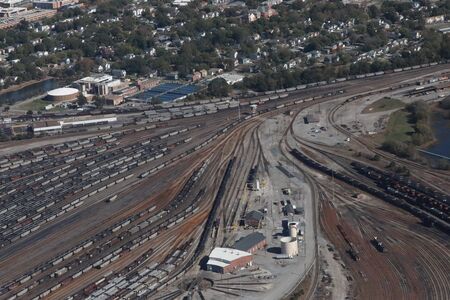 Coal Export Terminal in Lambert's Point
 -
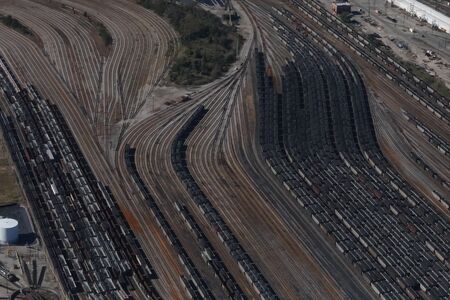 Coal Export Terminal in Lambert's Point
 -
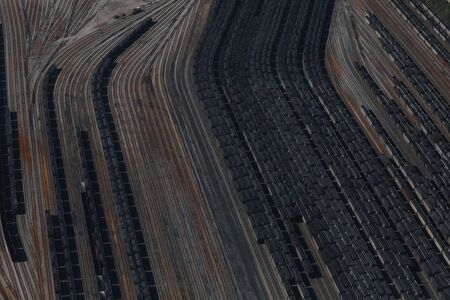 Coal Export Terminal in Lambert's Point
 -
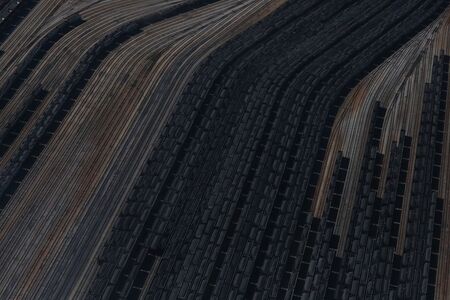 Coal Export Terminal in Lambert's Point
 -
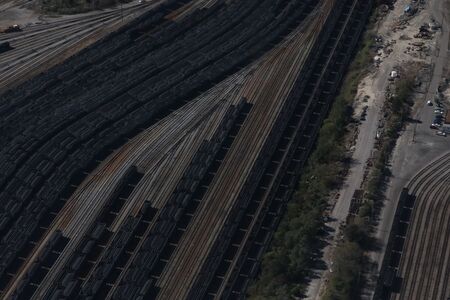 Coal Export Terminal in Lambert's Point
 -
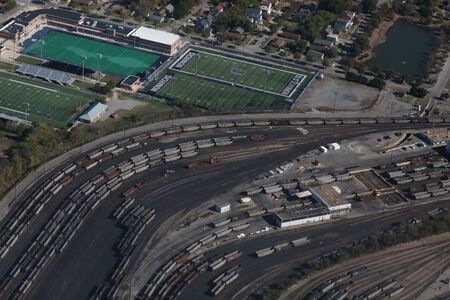 Coal Export Terminal in Lambert's Point


References
- ↑ U.S. Energy Information Administration, Virginia: State Profile and Energy Estimates, 2025.
- ↑ Kinder Morgan, Pier IX and X Terminals.
- ↑ Sightline Institute, The Facts about Kinder Morgan, 2014.
- ↑ Professional Mariner Forum, Loading a Panamax Bulk Carrier, June 2010.
- ↑ Easy Relocated, How Is a Bulk Carrier Loaded? June 24, 2022.
- ↑ Bulk Carrier Guide, Grain, Iron Ores, Minerals, Coal Carrier, Self Unloaders & More, 2010.
- ↑ Martide, Everything You Need to Know About Bulk Carriers, August 20, 2024.
- ↑ Public Health Advisory Panel on Coal in Oakland, An Assessment of the Health and Safety Implications of Coal Transport through Oakland, June 14, 2016.